
SRP Blog Editorial Desk
Industrial & Capital Goods Research
The SRP Blog Editorial Desk writes the research articles on Stock Research Portal Blog. A page from this desk starts with a question a reader can take to a public document: a filing, a statistical release, or an accounting standard. The page names the source, the period and the definition, and it keeps a reported figure separate from a later interpretation.
The byline is the desk. It is not a biography of one analyst, and the experience line above describes the subjects the desk writes about. It does not promise a return, and it does not mean a named outside reviewer signed every cell. Each article’s closing note says what was checked. Where an article uses numbers that are not in a filing, the caption says the figures are hypothetical.
Where the published work sits
The site is organized as four research sections. The about page states the same path in short form. This page is the map from the byline to those sections and to the notes that are already public.
Markets research describes how mining, energy and industrial equipment businesses are organized, who earns revenue at each stage, and which operating variables move reported results. A markets page is about the industry structure. It is not a valuation of a named issuer.
Valuation research is the company layer. It asks what a revenue line, a backlog figure, a margin or a cash-flow total can support once the claim and the date are specified. Method notes in that section use labeled hypothetical examples when a numerical walk-through is the clearest way to show the arithmetic. They do not tell a reader to buy, sell or hold a security, and they do not issue price targets.
Capital spending research follows cash flow and demand into plants, equipment and replacement. Two published notes are the practical start. Types of capital expenditure separates maintenance, expansion, efficiency and compliance as research labels, and it shows why a company’s own wording has to be copied before those labels are compared. Capital expenditure versus operating expense keeps the capitalization question in its own box, so a purpose classification is not mistaken for an accounting rule.
Packaging industry research applies the same questions to packaging machinery and to the plants that buy it. The published notes show how to compare packaging businesses, how to read packaging price indexes, and how to test a claim that the industry is slowing down. How to test a slowdown claim is the one to open when a headline quotes an output index. The index and the equipment order are different measurements, and the article says which series was actually checked.
How to read a page that carries this byline
Start with the question under the title, then the scope box. The scope box is where the region, the period and the industry are fixed. If those three are wrong for the document on your desk, the rest of the page will not answer your question even when the arithmetic is correct.
Then read the tables. A table on these pages is a record: the field, the amount or the definition, and the limit on what a reader can conclude. When a number appears in the body, it is either tied to a source named on the page or it sits inside an example marked as hypothetical. The source list at the bottom gives the publisher, the URL, the place in the document, and the date the page was checked.
If two articles seem to disagree, compare the object, the date and the definition before comparing the amounts. A market price, a balance-sheet residual and a model output can share a year and still measure different claims. A capital-spending total and an operating expense can share a project and still follow different accounting rules. Write down which one you have before you average them.
The data sources directory lists the public datasets the articles rely on, with a locator for each series. Use it when you want the release itself rather than this site’s summary. The editorial policy explains how a source is checked and how a limitation is stated. The terms and research disclaimer states that the material is for research. The corrections page is where a published sentence is changed after a source shows it was wrong. A correction report is easier to check when it includes the article URL, the sentence, and the page or table in the source.
What this desk does not produce
The desk does not write certified valuation reports, appraisal opinions, or supplier recommendations. It does not quote a machine price or name a preferred manufacturer. It does not publish real-time quotes or trading signals. A hypothetical company in an article is a teaching device. If the caption says the figures are made up, they are made up, and they should not be copied into a comparison of real issuers.
Questions about scope, a factual error, or permission to reuse a table go through the contact page. Name the article, the sentence, and the source. A message that asks for a buy or sell view, or for a supplier shortlist, sits outside the work described here.
The cards below are the articles currently published under this byline. Open the section that matches the document you are reading, then use the article that names the line item in front of you.
Research
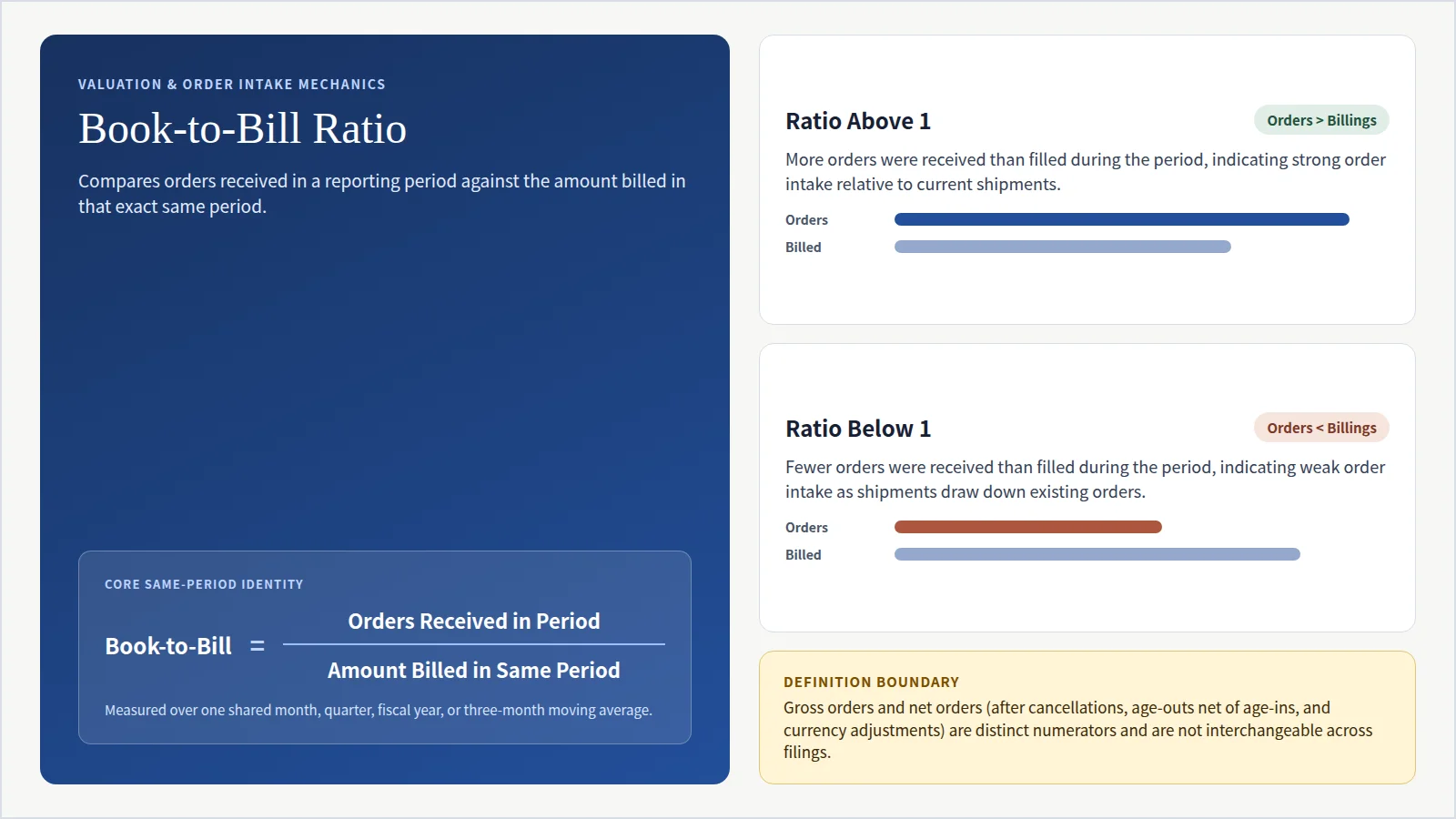
Book to Bill Ratio: Formula, Backlog Signal & Limits
What is the book-to-bill ratio and how does it signal whether order intake is expanding or drawing down backlog?
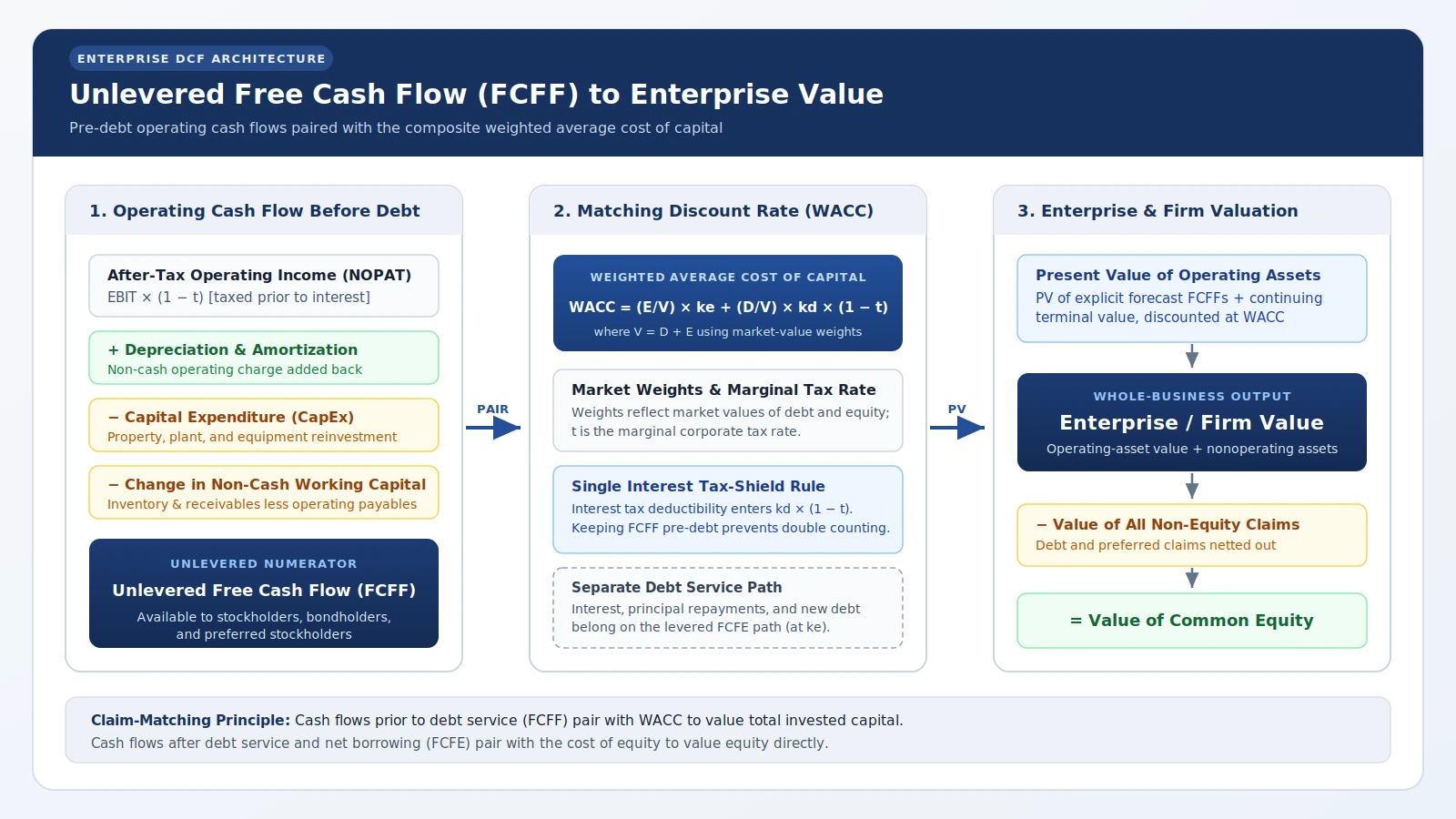
Unlevered Free Cash Flow: Formula, DCF Use & Levered Split
What is unlevered free cash flow and how is it calculated from financial statements for enterprise valuation?

How to Read the BLS Producer Price Index (BLS PPI) for Paperboard: PCU vs WPU Series, Base Periods, and Revisions
Practical reference to BLS PPI paperboard and packaging price series, comparing PCU industry and WPU commodity codes, base periods, and 4-month revisions.

Segment Reporting in a Packaging Company 10-K: ASC 280 Footnotes, ASU 2023-07 Expenses, and Unallocated Bridges
How to read packaging company Form 10-K segment footnotes under ASC 280 and ASU 2023-07, reconcile CODM profit metrics, and trace intersegment eliminations.

Working Capital in Industrial Capex Cycles: 10-K Cash Flow Statement Bridges and Customer Deposits
How should you reconcile working capital and capital spending in an industrial company filing?

Inventory Turnover for Packaging Converters: Resin Pass-Through Lag, FIFO vs LIFO, and Inventory Days
How to calculate inventory turnover and inventory days for paper, rigid, and flexible packaging converters, normalize LIFO reserves and MRO supplies, and model resin pass-through lags.
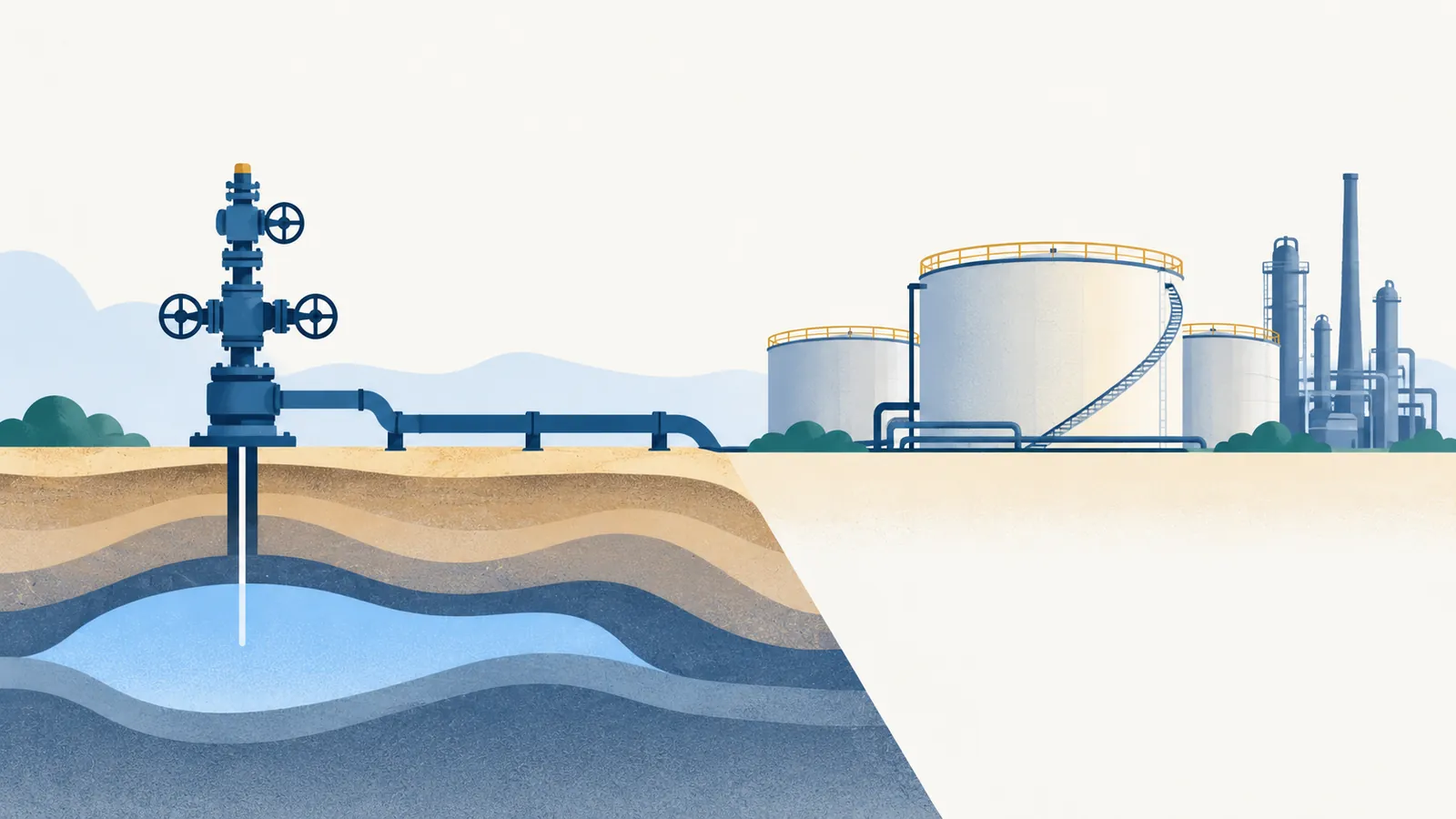
EIA Natural Gas Data vs the API Weekly Statistical Bulletin: Storage Report Scope and Revision Rules
Which energy dataset answers a natural-gas research question, and how should its coverage and revisions be recorded?
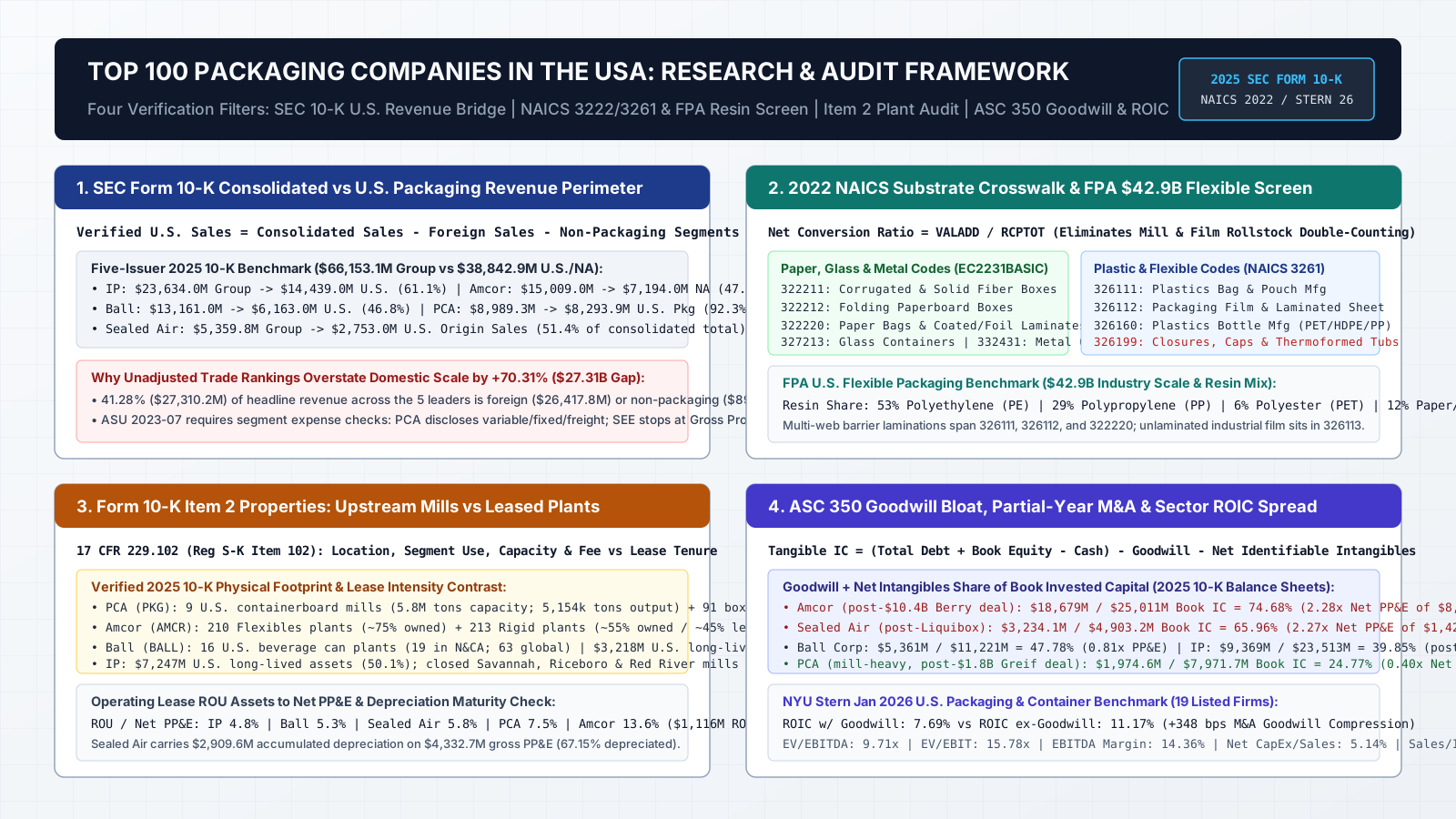
Top 100 packaging companies in the USA: how to audit rankings, plant footprints and M&A goodwill
How can researchers verify rankings of the top 100 packaging companies in the USA by isolating domestic packaging sales, physical plant footprints and acquisition goodwill in SEC filings and Census data?
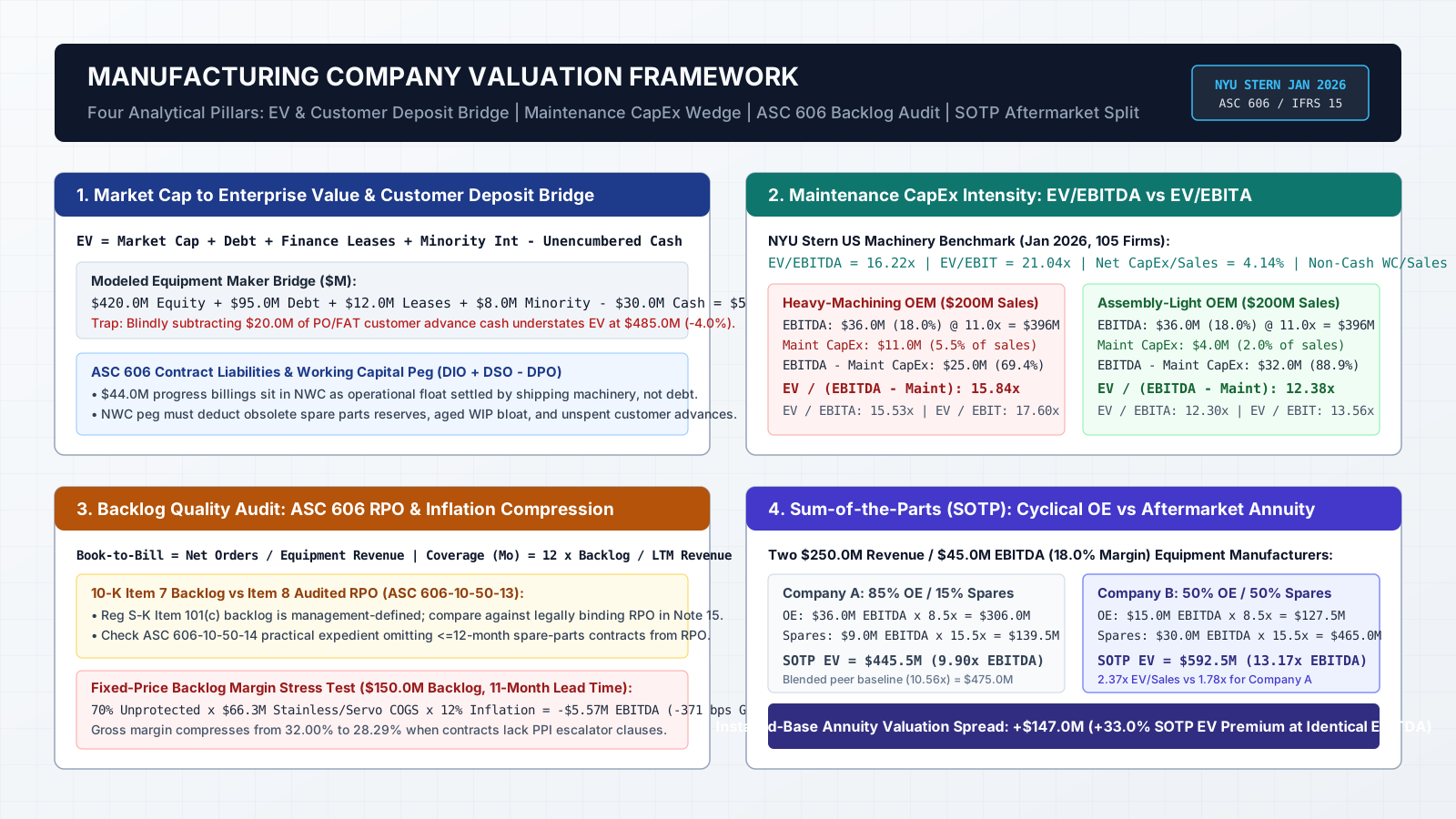
Manufacturing Company Valuation: Backlog Quality, Capex Intensity & Working Capital Adjustments
How do maintenance capital expenditure intensity, ASC 606 contract liabilities, backlog quality, and aftermarket revenue mix change a manufacturing company valuation?

Industry valuation multiples and the cycle year
When does an industry EV/EBITDA hide the cycle year and the cash spent to keep that EBITDA?
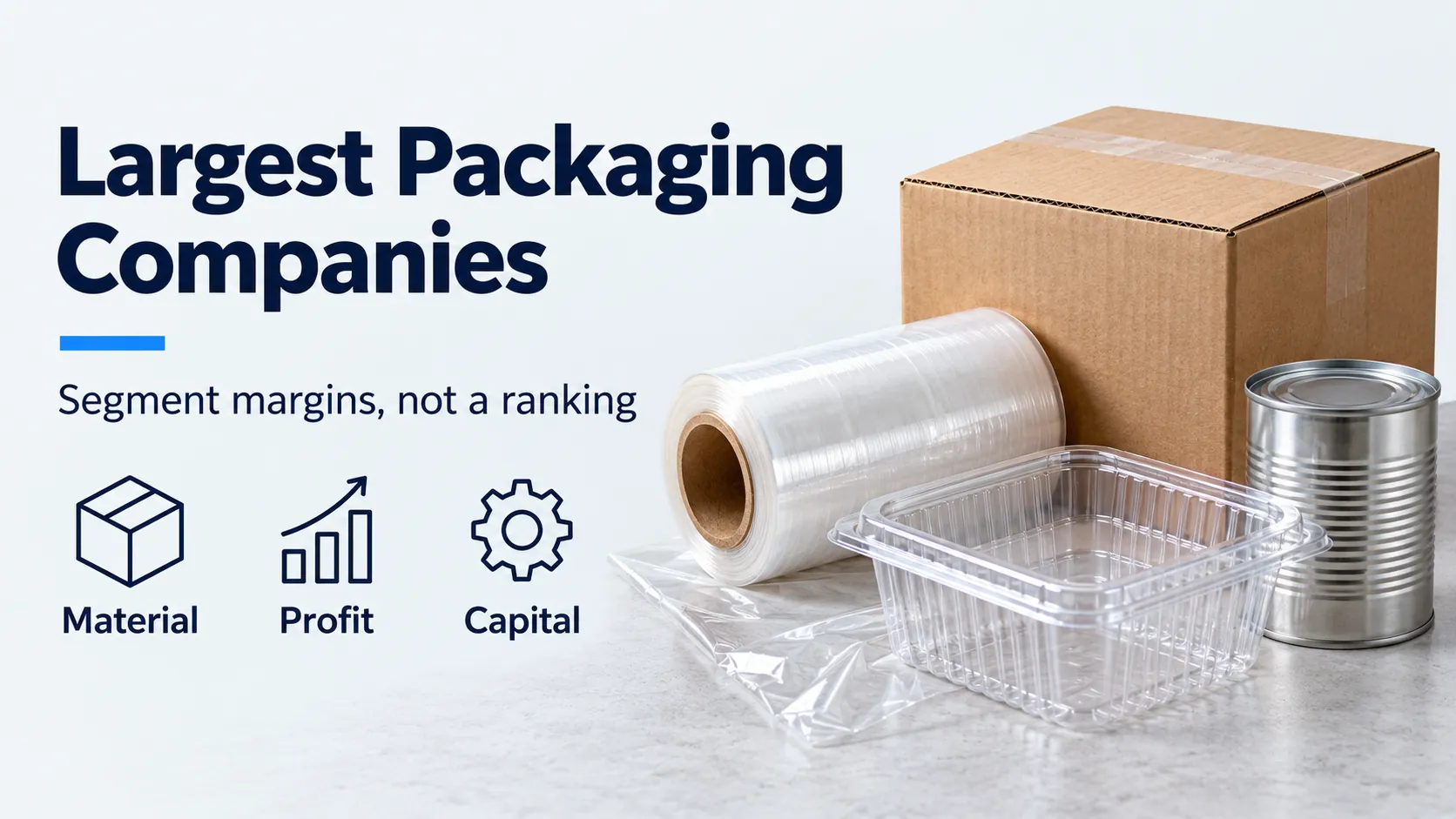
Largest packaging companies: segment margins and capital returns
How can researchers compare packaging segment profitability without ranking unlike businesses or inventing segment invested capital?

Paper and packaging board: grades, capacity and pricing spreads
How do paperboard grades, capacity denominators and cash-cost boundaries change a per-tonne pricing-spread analysis?
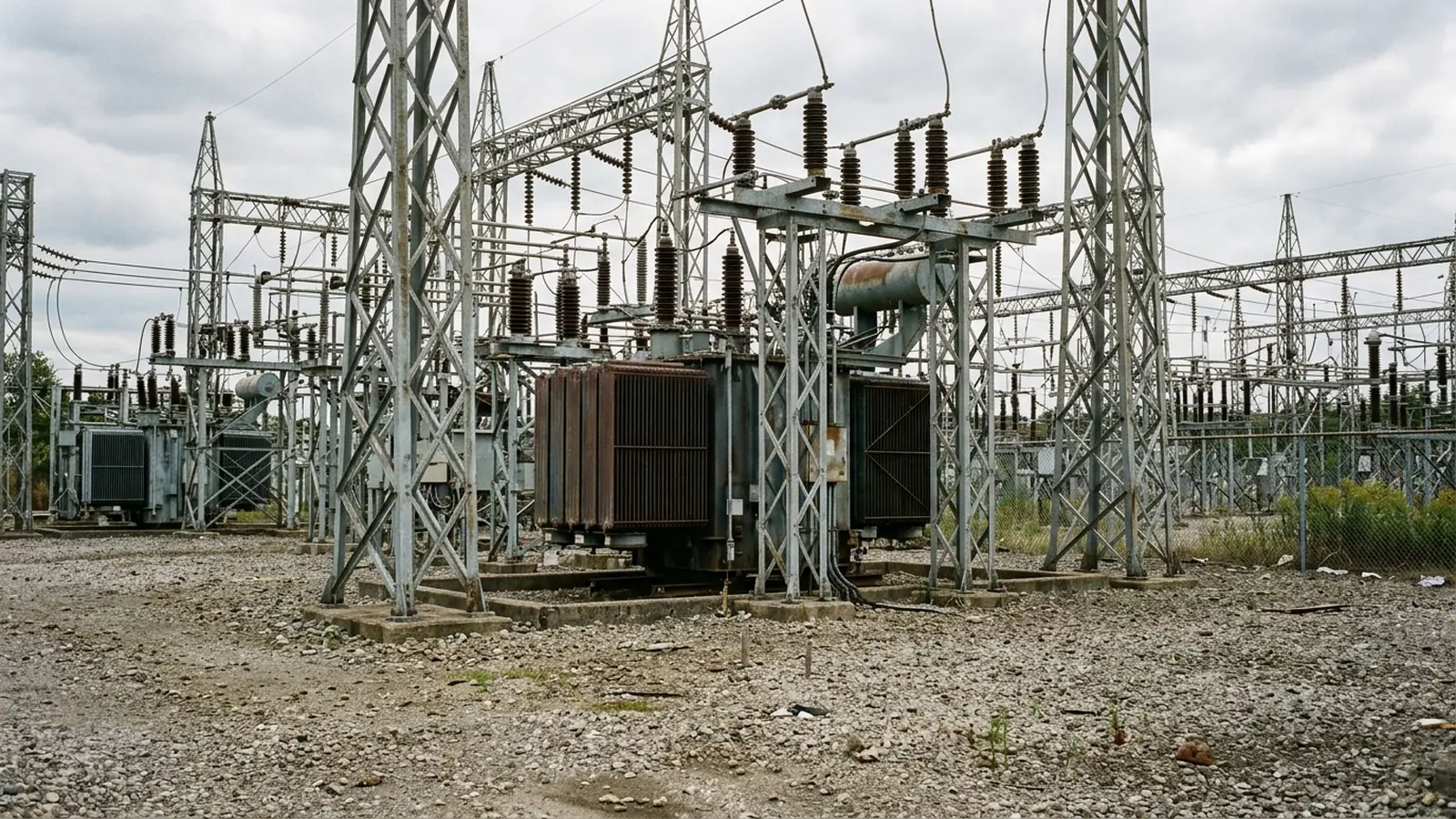
CapEx to-revenue ratio by industry: comparing capital intensity
How can researchers compare CapEx-to-revenue ratios and capital intensity across industries and companies without mixing incompatible definitions?

Oil company profits: drivers, cash flow and capex
What drives oil company profits, and how can researchers trace them into capital spending?

Stock valuation formulas: DDM, DCF and P/E
Which stock valuation formula fits the cash flows, claim and inputs available?
Market cap vs valuation: the share-price product is one claim
When is a market capitalization a different object from a firm value or from a valuation estimate?
EBITDA valuation: same EBITDA, different maintenance cash
How does an EV/EBITDA multiple price an industrial or resource firm, and what does the same EBITDA hide when maintenance cash differs?

Company valuation multiples: pair the claim with the measure
Which valuation multiple matches the claim, and what has to be written down before an industry figure is copied?

What is the valuation of a company?
What has to be written down before a company valuation figure can be compared with another figure?

Packaging costs: how to read price indexes
How can researchers track packaging cost pressures without confusing producer selling prices with a manufacturer's total costs?
Packaging industry challenges: how to test a slowdown claim
Which evidence distinguishes packaging operating challenges from weaker demand, and how might each affect equipment investment?
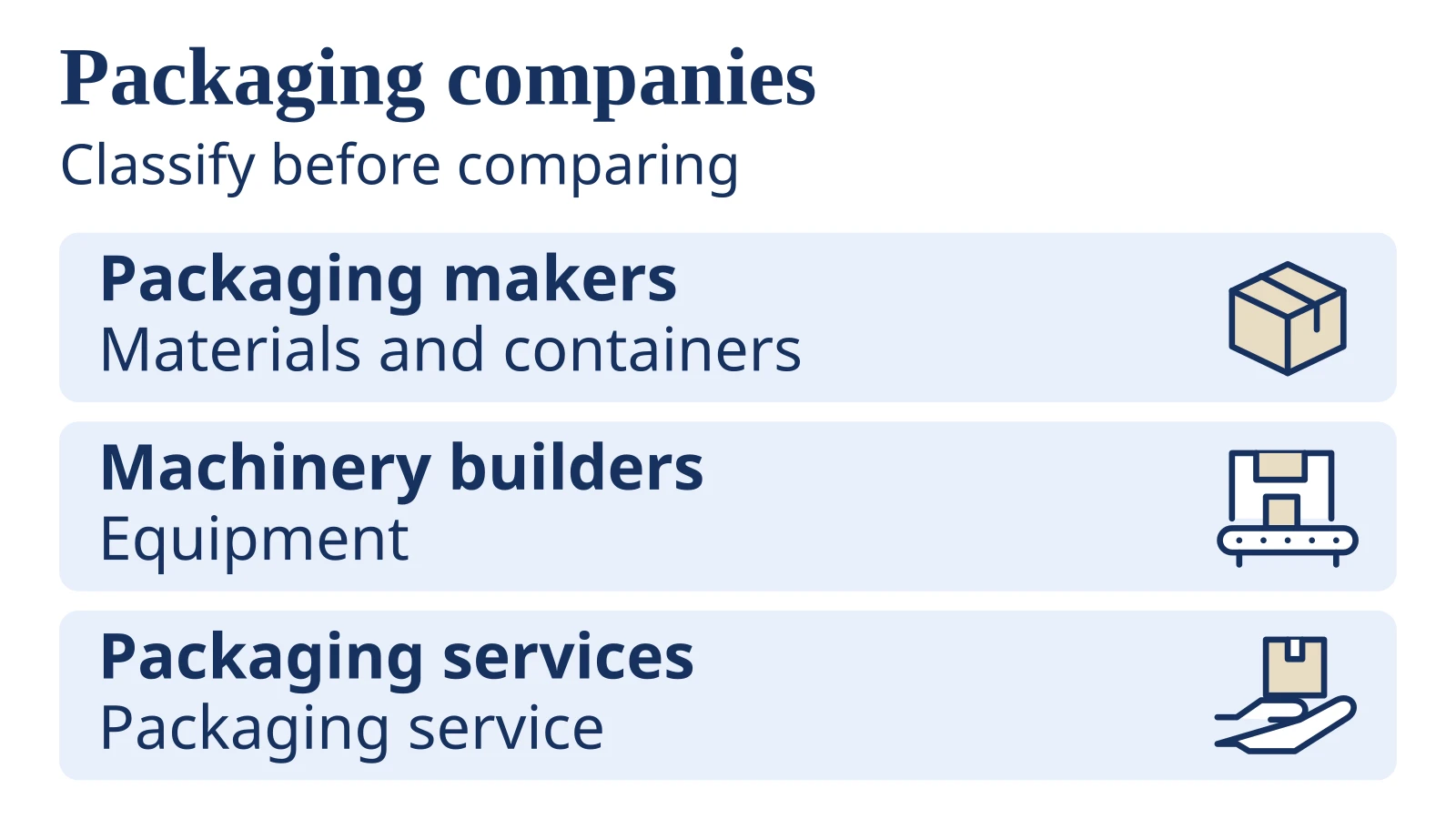
Packaging industry companies: how to compare their businesses
How can readers identify packaging businesses and compare their scale without mixing different revenue, material or geographic boundaries?
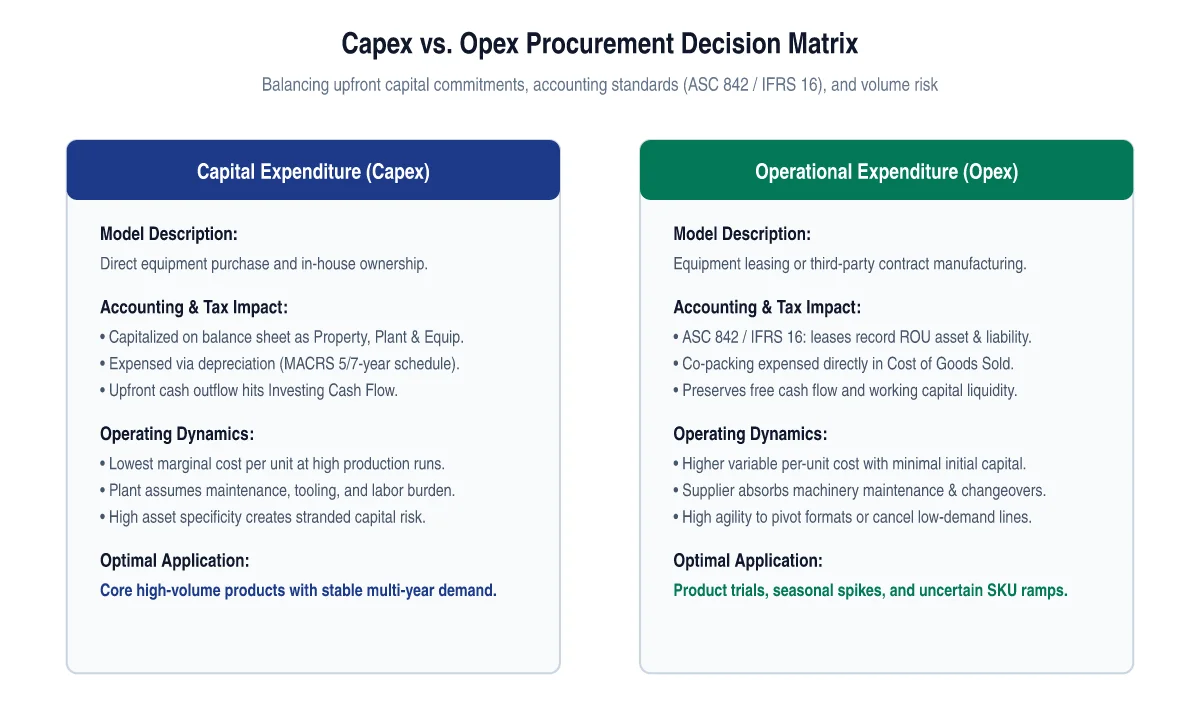
Capex vs Opex in Industrial Manufacturing and Machinery
How do industrial companies evaluate the trade-off between capital expenditure and operational expenditure when acquiring packaging and production capacity?
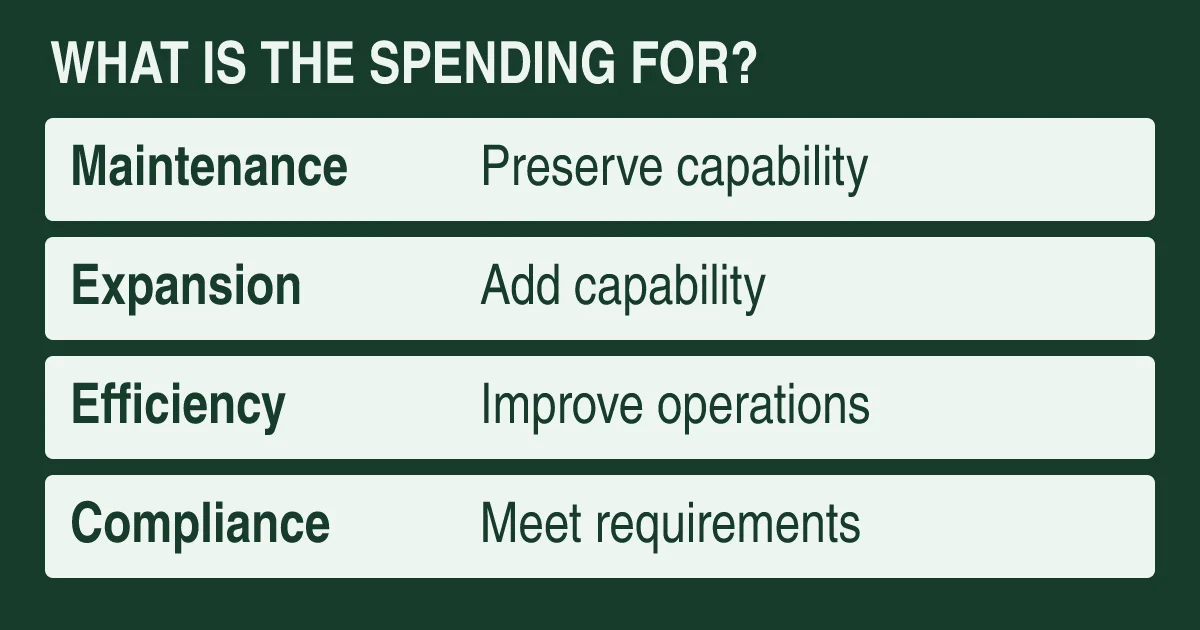
Types of CapEx: Maintenance and Growth
How can a reader identify what capital spending is intended to do without treating a management classification as a standard accounting disclosure?