
Working Capital in Industrial Capex Cycles: 10-K Cash Flow Statement Bridges and Customer Deposits

Working capital equals current assets minus current liabilities. Changes in working capital accounts generally represent operating cash flows.
For an industrial capex-cycle review, work through the balance sheet, operating reconciliation, customer-contract note and equipment-payment disclosures. Start with the definitions below, then use the issuer examples and filing worksheet to build your bridge. For the broader research framework, see capital spending.
Define the working capital you are measuring
A balance sheet is a snapshot at the end of the reporting period.
Use this balance-sheet formula:
Working capital = current assets − current liabilities.
For a non-cash valuation measure, use the following definition:
Non-cash working capital = inventory + other current assets + accounts receivable − accounts payable − other current liabilities.
Non-cash working capital excludes cash from current assets and interest-bearing debt from current liabilities.
When researching net working capital in a 10-K, write the chosen definition at the top of your worksheet. Identify the included accounts by their filing labels. Keep the balance-sheet calculation beside the reported operating cash-flow adjustments.
An increase in non-cash working capital is a negative cash flow. A decrease in non-cash working capital is a positive cash flow.

Read the operating bridge in Caterpillar’s filing
Use Caterpillar’s consolidated cash-flow statement for this example.
Caterpillar reports operating asset and liability changes net of acquisitions and divestitures.
Read these selected adjustments together:
- The receivables cash-flow adjustment was ( 2,138 ) million dollars in 2025.
- The inventory cash-flow adjustment was ( 1,477 ) million dollars in 2025.
- The accounts-payable cash-flow adjustment was 1,179 million dollars in 2025.
- The customer-advances cash-flow adjustment was 1,933 million dollars in 2025.
Worked example: selected operating adjustments
Selected-adjustment net cash use: 2,138 + 1,477 − 1,179 − 1,933 = 503 million dollars.
Keep that selected subtotal in its own worksheet field. Record the reported operating total separately:
Caterpillar’s consolidated operating cash flow was 11,739 million dollars in 2025.
Next, record the investing outflows using the company’s labels:
- Capital expenditures excluding equipment leased to others were a ( 2,821 ) million dollar cash outflow in 2025.
- Expenditures for equipment leased to others were a separate ( 1,465 ) million dollar cash outflow in 2025.
Carry the equipment-leasing category into your chosen capex definition explicitly. For project-purpose analysis, continue to types of capex.
Customer deposits: read the obligation and the cash movement
A contract liability represents an obligation to transfer goods or services for consideration received or due. An entity presents a contract liability when payment is made or due (whichever is earlier) before goods or services transfer.
For each customer-contract balance, ask: what consideration has been received, what is due, and what performance remains? Read the liability note alongside the cash-flow statement.
Caterpillar recognizes advanced customer payments in Customer advances and Other liabilities. Caterpillar reduces the contract liability when it recognizes revenue. Caterpillar’s consolidated contract liabilities were $ 4,678 million as of December 31, 2025. During 2025, Caterpillar recognized $ 1,894 million of revenue from the opening contract liability balance.
GE Vernova: compare the contract adjustment with the operating total
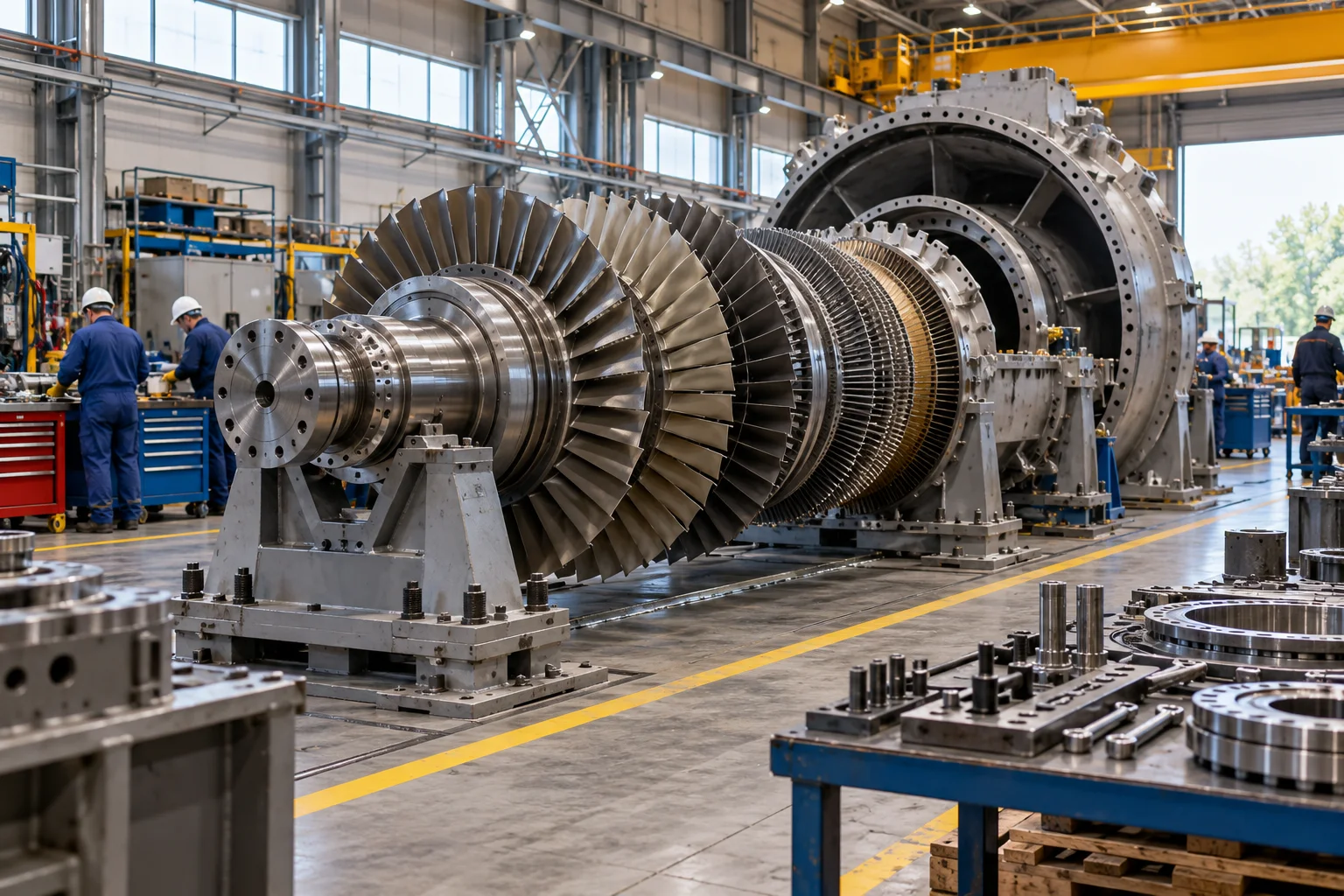
Use GE Vernova’s consolidated and combined cash-flow statement for the following comparison.
- The contract-liability and current-deferred-income cash-flow adjustment was 8,019 million in 2025.
- The current-contract-asset cash-flow adjustment was ( 456 ) million in 2025.
- Operating cash flow was 4,987 million in 2025.
- Additions to property, plant, and equipment and internal-use software used ( 1,277 ) million in 2025.
At GE Vernova, higher down payments on orders and slot reservation agreements at Power contributed to the increase in operating cash flow.
Keep the contract-liability adjustment, contract-asset adjustment, operating total and capital additions in separate worksheet fields. Then read the management discussion beside those amounts.
Working-capital cash-flow classification depends on the facts and circumstances of the transaction. Customer advance payments may result in financing cash flows.
Working capital vs capex: isolate unpaid equipment purchases
Unpaid accrued capital expenditures are excluded from investing cash flows. Operating accounts-payable adjustments must exclude unpaid capital expenditures.
For equipment acquired on account, check the operating reconciliation and the noncash investing disclosure together.
The operating reconciliation should exclude changes in payables related to investing or financing transactions. Noncash investing disclosure concerns the liability for current-period asset acquisitions still unpaid at period end. Noncash activity should be disclosed separately in a schedule or described in a narrative disclosure.
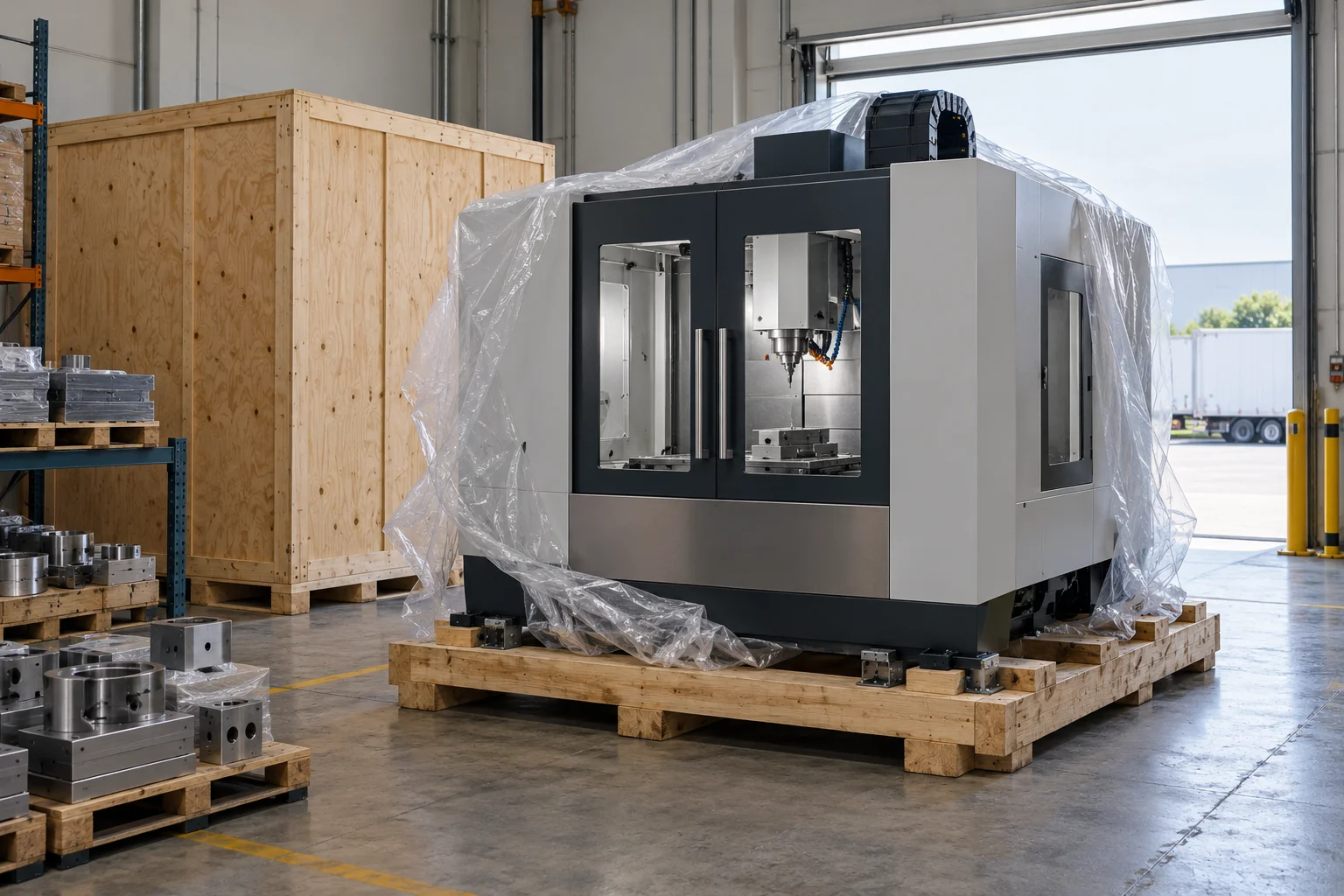
For equipment liabilities, classification of the later cash settlement depends on payment terms. Payments at purchase or soon before or after purchase for productive assets are investing cash outflows.
In your worksheet, identify the asset acquisition, the amount unpaid at period end and the subsequent settlement. Preserve the distinction between the current-period acquisition disclosure and the payable movement used in your reconciliation.
Build the filing worksheet
Copy these prompts into your research workbook. For each answer, record the filing label, reporting period, entity scope and note location.
Scroll horizontally to view all columns.
| Worksheet field | What to record | Review prompt |
|---|---|---|
| Working-capital definition | Included current assets and current liabilities | Which definition are you using? |
| Operating adjustments | Receivables, inventories, payables and other reported adjustments | Have you retained the reported signs and labels? |
| Customer contracts | Contract balances, consideration due and revenue recognition | How does the note explain the obligation? |
| Equipment acquisitions | Current-period acquisitions still unpaid at period end | Where is the noncash disclosure? |
| Equipment settlement | Payment terms, cash amount and cash-flow classification | How was the settlement classified? |
| Capital-spending definition | Selected capital expenditure and leased-equipment categories | Which outflows have you included? |
| Final cash-flow bridge | Selected adjustment subtotal, operating total and chosen capex deduction | Does each field retain its own scope? |
Before calculating free cash flow, state the definition you intend to use.
Free cash flow is not uniformly defined. Free cash flow is typically calculated as operating cash flow less capital expenditures.
Use the finished worksheet alongside the capital-spending research hub when reviewing the next industrial filing.
Continue the research
Related Research
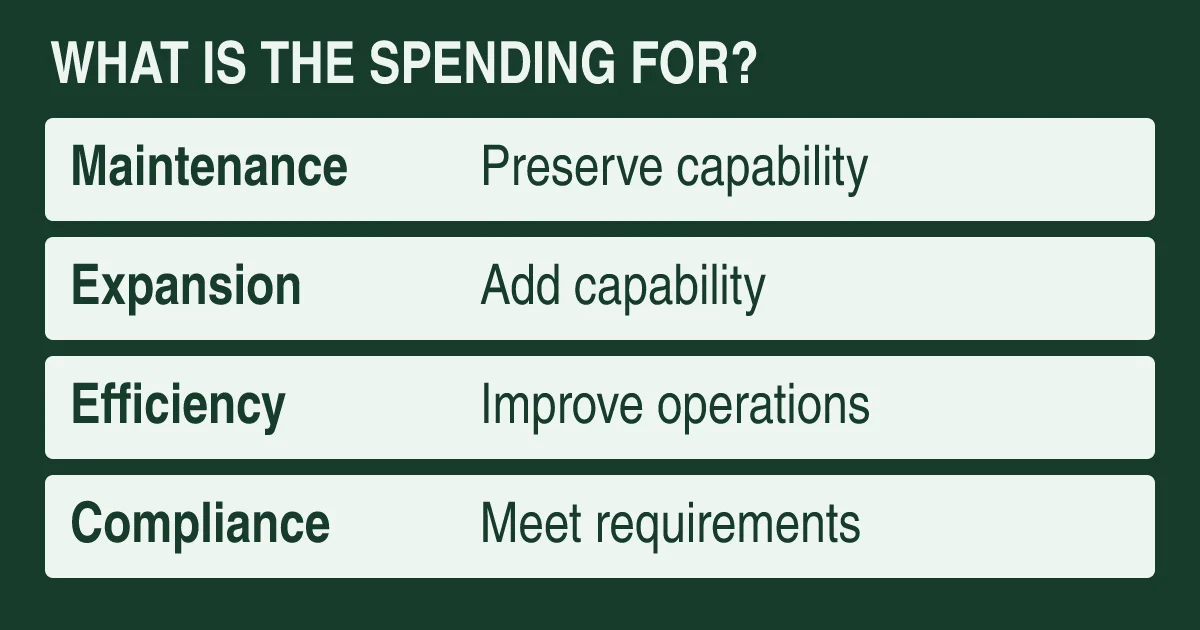
Types of CapEx: Maintenance and Growth
How can a reader identify what capital spending is intended to do without treating a management classification as a standard accounting disclosure?
Sources & Data Notes
- Beginners’ Guide to Financial Statements
- Financial measures and ratios
- Handbook: Statement of cash flows
- Statement of Cash Flows, Investing Activities
- Revenue Recognition, Contract Liabilities
- Presentation of Free Cash Flow
- 2025 Form 10-K
- 2025 Form 10-K